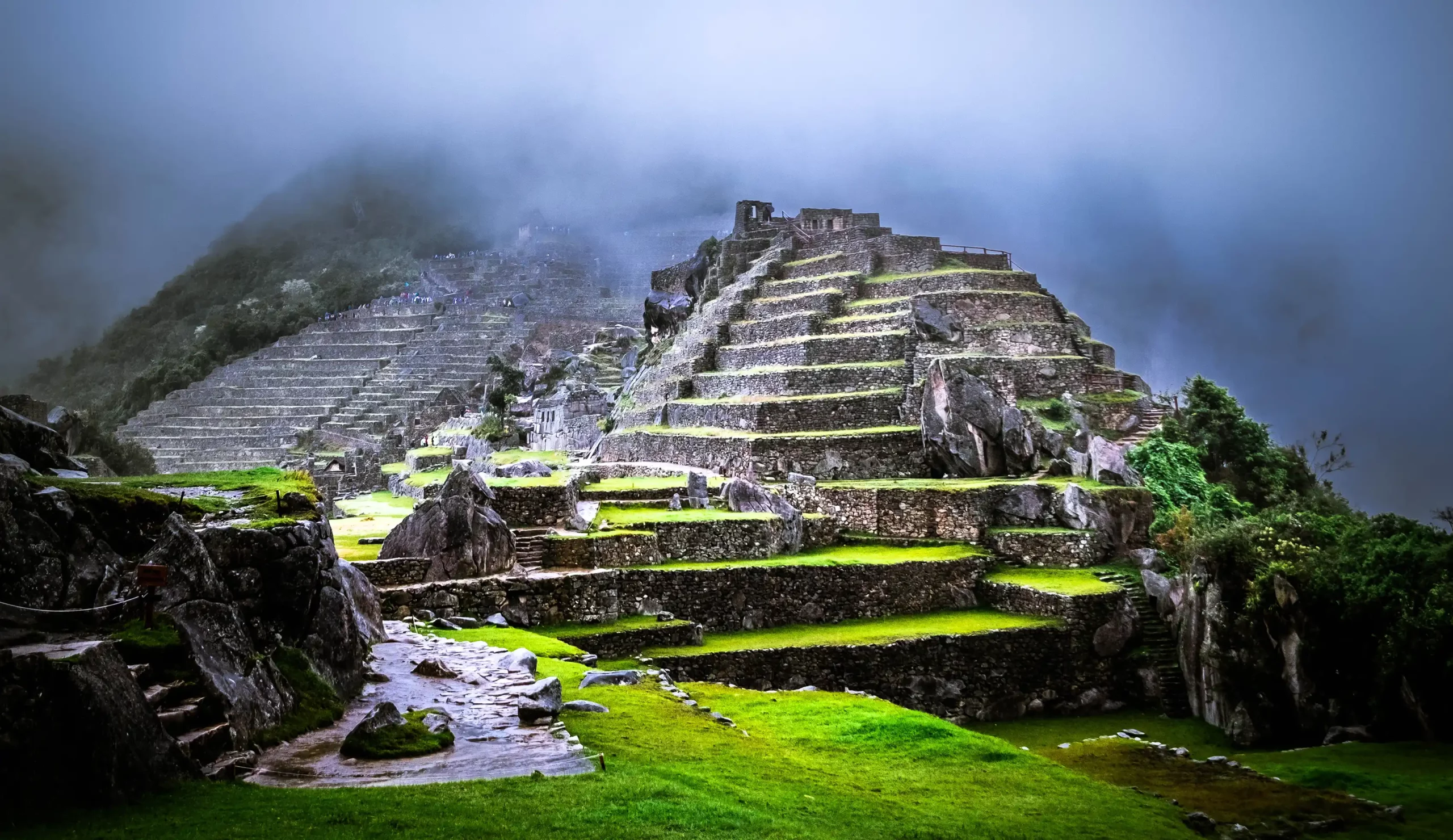


Machu Picchu: Expanded, Detailed, Structured Description
Machu Picchu is far more than an archaeological site — it is a cultural symbol, a masterpiece of ancient engineering, and a window into the worldview of the Inca civilization. Perched high in the Andes, it blends human craftsmanship with dramatic natural landscapes in a way that few places on Earth can match. Even today, more than 500 years after its construction, the city continues to inspire awe, curiosity, and admiration.
General Overview
Machu Picchu’s global fame is rooted not only in its beauty but also in its mystery. Scholars, travelers, and historians all find something uniquely compelling in this mountaintop sanctuary.
- Ancient Inca city located in the Andes Mountains of Peru
- Altitude: 2430 meters above sea level
- Built in the 15th century during the reign of Emperor Pachacuti
- Rediscovered by Hiram Bingham in 1911
- UNESCO World Heritage Site since 1983
- Recognized as one of the New Seven Wonders of the World (2007)
These facts form the foundation, but the true essence of Machu Picchu lies in its atmosphere — a blend of silence, stone, and sky that creates a sense of timelessness.
Geographic Characteristics
The Incas were masters of choosing locations that combined strategic value with spiritual significance. Machu Picchu is a perfect example of this philosophy.
- Region: Cusco, Peru
- Positioned between two peaks:
- Machu Picchu (“Old Peak”)
- Huayna Picchu (“Young Peak”)
- Overlooks the Urubamba River Valley
- Surrounded by cloud forests and steep cliffs
The city’s placement was not random. The surrounding mountains form what many researchers call a “sacred landscape,” where natural formations align with astronomical events and Inca cosmology. The constant presence of mist adds to the mystical atmosphere, making the ruins appear and disappear like a vision.
Historical Purpose (Theories)
Despite extensive research, Machu Picchu’s original purpose remains one of its greatest mysteries. The Incas left no written records, so scholars rely on archaeology, architecture, and cultural parallels.
Leading Theories
- Royal estate of Emperor Pachacuti
- Religious and ceremonial center
- Astronomical observatory
- Strategic mountain fortress
- Agricultural research site
Each theory highlights a different facet of Inca society. The city’s isolation suggests exclusivity, while its temples and astronomical alignments point to spiritual and scientific functions. It may well have served multiple purposes simultaneously.
Architectural Features
The architecture of Machu Picchu is a testament to the Incas’ extraordinary engineering abilities. They built without iron tools, wheels, or draft animals, yet achieved precision that rivals modern construction.
Construction Techniques
- Ashlar masonry: stones cut so precisely that no mortar was needed
- Earthquake‑resistant engineering
- Sophisticated water channels and drainage systems
- Terraces that stabilized the mountain slopes and supported agriculture
These techniques allowed the city to withstand centuries of earthquakes, landslides, and harsh weather.
Main Structures
- Temple of the Sun
- Sacred Plaza
- Intihuatana Stone
- Royal Residence
- Temple of the Three Windows
- Agricultural terraces
- Guardhouse
- Main Gate
Each structure reflects a blend of functionality and symbolism, revealing the Incas’ deep connection to nature and the cosmos.
Architecture Table
| Structure | Function | Notable Features |
|---|---|---|
| Temple of the Sun | Religious ceremonies | Semicircular wall, aligned with solstice sunrise |
| Intihuatana Stone | Astronomical instrument | Used to track the sun’s movement |
| Sacred Plaza | Ritual and ceremonial center | Includes temples and altars |
| Temple of the Three Windows | Symbolic and ceremonial | Three large trapezoidal windows |
| Royal Residence | Home of the Inca elite | Finely crafted stonework |
| Terraces | Agriculture and stability | Prevent erosion, create microclimates |
This combination of sacred, residential, and agricultural zones suggests a city designed for both spiritual contemplation and practical sustainability.
Natural Environment
Machu Picchu’s surroundings are as impressive as the ruins themselves. The site lies within a vibrant cloud forest ecosystem, where biodiversity thrives.
Flora and Fauna
- Dozens of orchid species
- Hummingbirds, tanagers, and other tropical birds
- Spectacled bears
- Lush vegetation that changes with altitude
The interplay of fog, sunlight, and steep terrain creates constantly shifting views. At dawn, the city often emerges from the mist like a floating island.
Visiting Machu Picchu
Reaching Machu Picchu is part of the experience. The journey allows travelers to witness the landscapes that shaped Inca culture.
How to Get There
- Start from Cusco
- Travel by train to Aguas Calientes
- Final ascent by bus or on foot
- Alternative: Inca Trail (4–5 days of trekking)
Visitor Tips
- Best months: May–September
- Daily entry is limited
- Huayna Picchu requires a separate ticket
- Early morning visits offer the most atmospheric views
The site’s popularity means planning ahead is essential, but the reward is unforgettable.
Interesting Facts
These details highlight the ingenuity and mystery surrounding Machu Picchu:
- Built without iron tools or wheels
- Stones fit so tightly that even a knife blade cannot be inserted
- Never discovered by Spanish conquistadors
- Name means “Old Peak” in Quechua
- The city was self‑sustaining thanks to terraces and water channels