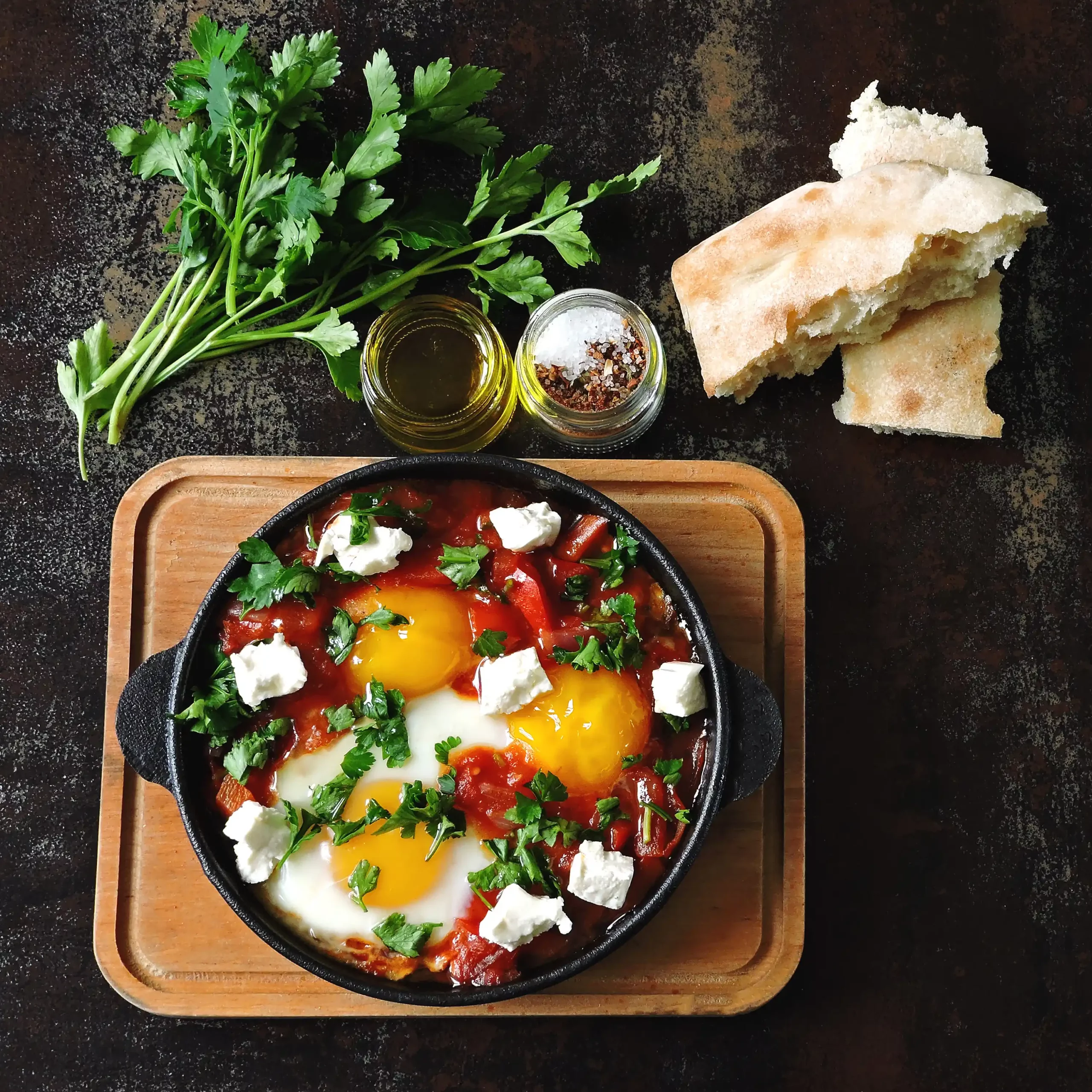


North African cuisine forms one of the most distinctive culinary traditions of the Mediterranean world, shaped by centuries of trade, migration, and cultural blending. It stretches across Morocco, Algeria, Tunisia, Libya, and Egypt, each region adding its own nuances while sharing a common foundation of spices, grains, and slow‑cooked techniques. What makes this cuisine so compelling is the way it balances simplicity with aromatic depth, turning everyday ingredients into richly layered dishes.
🌾 Core Ingredients and Staples
Couscous stands at the heart of North African cooking. Made from semolina wheat, it is steamed until light and fluffy, then served with vegetables, chickpeas, and meat or fish. Wheat also appears in flatbreads such as khobz or kesra, which accompany nearly every meal. Legumes—especially lentils, fava beans, and chickpeas—provide essential protein, while olives and olive oil contribute both flavor and texture. Dates, figs, and almonds add natural sweetness, reflecting the agricultural heritage of the region.
🌿 Spices and Aromatics
The cuisine is famous for its spice blends, which create warmth rather than overwhelming heat. Ras el hanout in Morocco, baharat in Libya, and dukkah in Egypt illustrate the diversity of regional seasoning traditions. Common spices include cumin, coriander, cinnamon, turmeric, paprika, and saffron. Fresh herbs—cilantro, parsley, mint—brighten dishes, while preserved lemons add a uniquely tangy, salty dimension.
🍲 Signature Dishes and Techniques
Slow cooking is central to the culinary identity of North Africa. Moroccan tagines, named after the conical clay pot in which they are prepared, combine meat or vegetables with dried fruits, spices, and broth, resulting in tender, aromatic stews. In Algeria and Tunisia, hearty chorba soups appear frequently, especially during Ramadan. Tunisia is also known for its bold use of harissa, a chili‑based paste that adds depth to couscous, grilled meats, and seafood.
Egyptian cuisine, while part of the same cultural sphere, has its own character. Dishes like koshari—a mix of rice, lentils, pasta, and tomato sauce—reflect a tradition of satisfying, affordable street food. Ful medames, slow‑cooked fava beans seasoned with lemon and garlic, remains a national staple.
🐟 Coastal Influences
Along the Mediterranean coast, seafood plays a major role. Grilled fish seasoned with cumin and lemon, octopus stews, and seafood couscous highlight the region’s maritime heritage. Coastal cities such as Alexandria, Tunis, and Casablanca blend local flavors with centuries of Greek, Italian, and Ottoman influence.
🍬 Sweets and Tea Culture
Desserts often combine nuts, honey, and delicate pastry. Baklava‑like sweets, almond cookies, and date‑filled pastries are common across the region. Mint tea, especially in Morocco, is more than a drink—it is a symbol of hospitality, served generously and with ceremony.
North African cuisine ultimately reflects a landscape where desert, sea, and fertile valleys meet. It is a cuisine of contrasts—sweet and savory, spicy and mild, rustic and refined—woven together into a culinary tradition that feels both ancient and vibrantly alive.