
Virunga National Park is one of the most dramatic and ecologically rich places in Africa, a protected area where volcanic forces, ancient forests, and an extraordinary range of wildlife come together. Located in the eastern Democratic Republic of the Congo, it covers about 790,000 hectares and includes habitats that range from swamps and savannas to high-altitude snowfields above 5,000 meters. This diversity is so exceptional that UNESCO describes the park as containing an “outstanding diversity of habitats,” from lava plains to the slopes of active volcanoes.
Natural setting and landscapes
The park lies within the Albertine Rift, one of the most biodiverse regions on the continent. Its landscapes are shaped by both ancient and active volcanoes, including the famous Nyiragongo, known for its vast lava lake. Elevation changes dramatically across the park, creating distinct ecological zones that support a wide variety of species. The Virunga Mountains themselves form part of a volcanic chain that spans the borders of Congo, Rwanda, and Uganda, a range recognized as a UNESCO World Heritage area.
virunganationalparkcongodrc.com
Wildlife and biodiversity
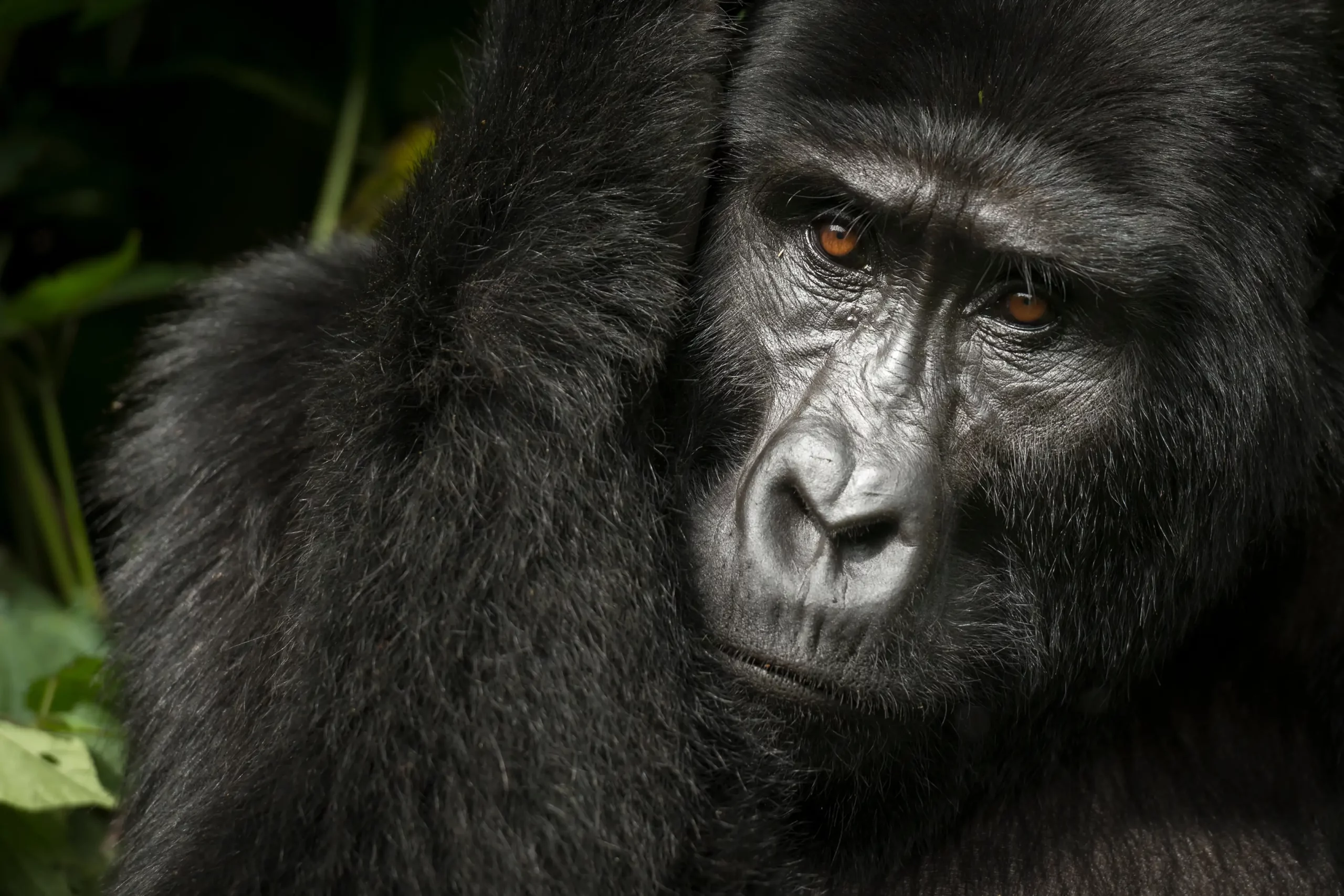
Virunga is home to an extraordinary number of species. UNESCO notes that around 20,000 hippos inhabit its rivers, and the park shelters mountain gorillas, one of the world’s most endangered primates.
According to park data, Virunga hosts 218 mammal species, including elephants, okapis, lions, and both forest and savanna species. It also contains 706 bird species, more than three times the number found in the United Kingdom, making it one of the richest bird habitats in Africa. Reptiles and amphibians are also well represented, with 109 reptile species and 78 amphibian species recorded.
Human presence and conservation challenges
Despite its natural richness, Virunga has long faced serious threats. Its location in a region affected by conflict has made conservation extremely difficult. Rangers work under dangerous conditions to protect wildlife from poaching and illegal resource extraction. The park’s history is marked by resilience, with conservation teams continuing their work despite political instability and environmental pressures.
UNESCO status and global significance
Virunga was designated a UNESCO World Heritage Site in 1979 for its exceptional natural value. It remains on the List of World Heritage in Danger due to ongoing security issues, but its ecological importance is unquestioned. The combination of volcanic landscapes, rare species, and immense biodiversity makes it one of the most remarkable protected areas in the world.
One response to “Virunga National Park”
Hi, this is a comment.
To get started with moderating, editing, and deleting comments, please visit the Comments screen in the dashboard.
Commenter avatars come from Gravatar.